


Please Leave Us A Message
Privacy statement: Your privacy is very important to Us. Our company promises not to disclose your personal information to any external company with out your explicit permission.
 Mr. Bruce Chen
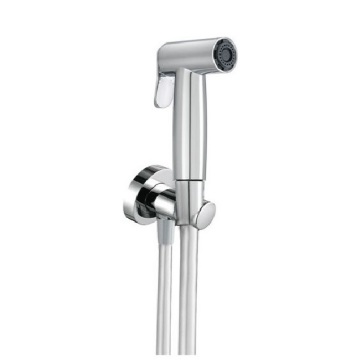


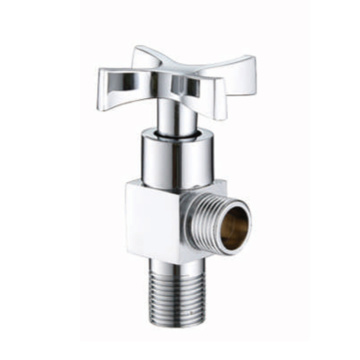
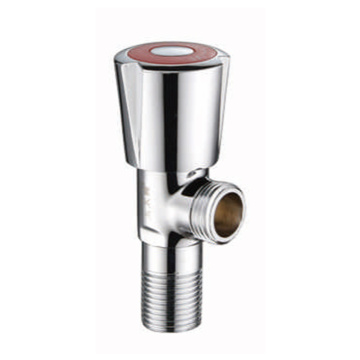
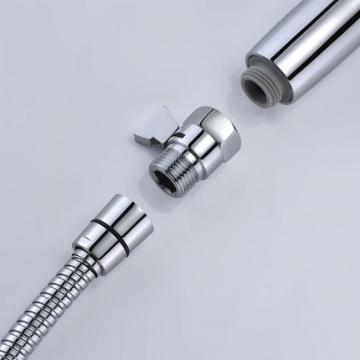
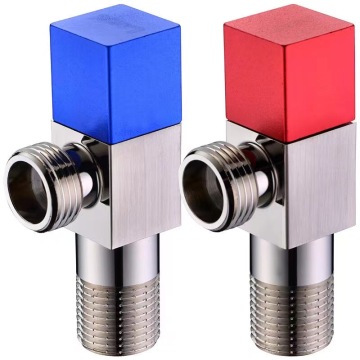

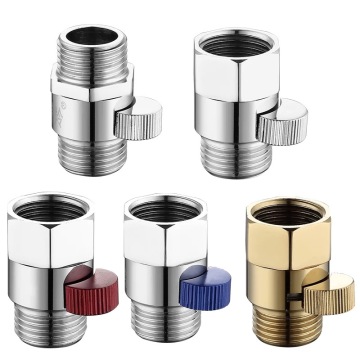
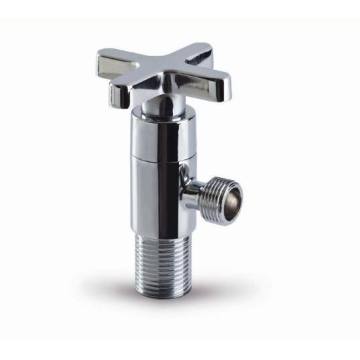

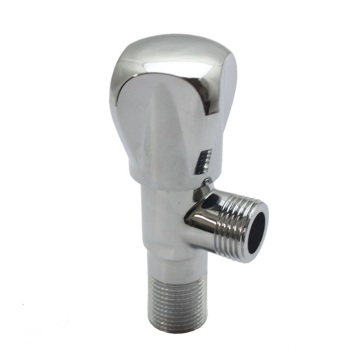
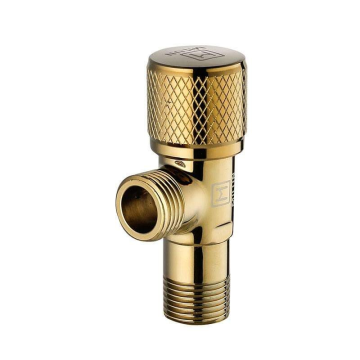
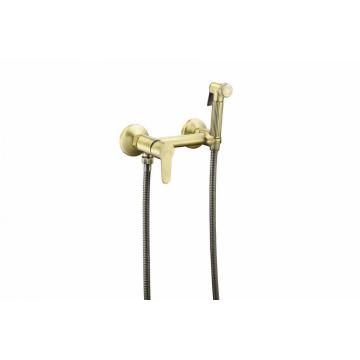
A Floating Ball Valve is a fundamental type of quarter-turn valve where the spherical closure member (the ball) is held in place by two stem bearings. In this design, the ball is not anchored to the top or bottom, allowing it to "float" slightly under pressure.
When the valve closes, medium pressure pushes the ball against the downstream seat, creating a tight seal. This mechanism ensures reliable shut-off and minimal leakage, making it the standard choice for general-purpose isolation in plumbing and industrial applications.
For procurement teams, the floating design offers a distinct advantage: **simplified construction**. With fewer moving parts compared to trunnion-mounted valves, floating ball valves are generally more cost-effective while still delivering high-performance sealing for standard pressure ranges.
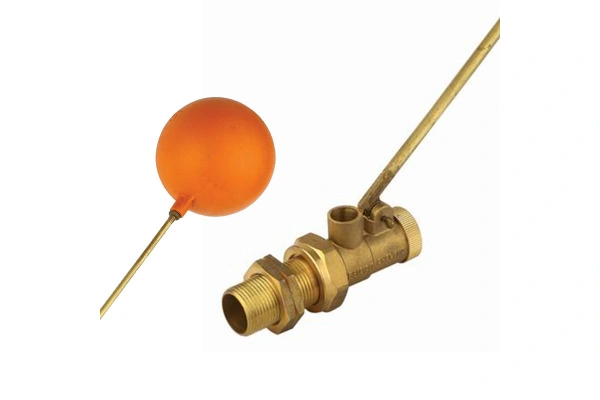
At Yuyao Gaobao Sanitary Ware Factory, quality assurance begins at the raw material stage. As one of the most developed manufacturers in the sanitation sector since 2005, we control the entire production chain to guarantee consistent performance.
Material Integrity: We utilize advanced injection molding and machining equipment to produce components with precise tolerances. By controlling the upstream material quality ourselves, we eliminate the risk of substandard brass or plastic inputs that often plague smaller suppliers.
Rigorous Testing Protocols: Every batch of floating ball valves undergoes comprehensive testing using state-of-the-art integrated testers. Our facility employs:
Certified Compliance: Our products meet international standards, holding approvals such as CE, Watermark, and ACS. This ensures that your supply chain remains compliant with global regulatory requirements, reducing customs delays and liability risks.
Selecting the correct floating ball valve requires balancing technical specifications with application requirements. A mismatch in material or pressure rating can lead to premature failure and costly downtime.
Brass: The industry standard for residential and light commercial water systems. It offers excellent machinability and corrosion resistance.
Stainless Steel: Essential for aggressive chemicals, high temperatures, or marine environments where rust is a concern.
Ensure the valve interface matches your piping infrastructure. Common options include Threaded (NPT/BSP), Solder/Capillary, or Compression fittings. For quick installation and maintenance, threaded connections are widely preferred in sanitary ware applications.
Always verify the PN (Pressure Nominal) rating. Standard brass valves typically handle PN16 or PN25. Exceeding these limits compromises the floating seal mechanism.
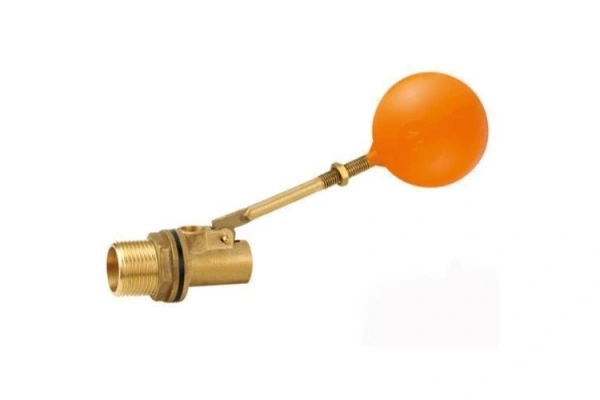
Before finalizing your purchase order, use this checklist to mitigate procurement risks and ensure product compatibility.
Does the valve specification match the system's working pressure and fluid type? Confirm thread standards (NPT vs BSP) to avoid fitting issues during installation.
Are valid test reports available for CE, Watermark, or ACS? Request digital copies before shipment to streamline customs clearance.
Can the manufacturer scale production if your order volume increases? Verify their factory size (e.g., 6,000 sqm) and employee count to assess stability.
Clarify production lead times and Minimum Order Quantities. Establish clear communication channels for real-time order tracking.
Ensure packaging protects against damage during transit. Check for individual poly bags and robust carton boxing to prevent surface scratches.
Does the supplier offer warranty terms and responsive technical support? A dedicated design team indicates ongoing innovation and adaptability.
Floating ball valves are versatile components used across various sectors. Their reliability makes them suitable for critical isolation points.
Used in bathrooms and kitchens for shower heads, faucets, and shattaf units. Provides reliable shut-off for maintenance without disrupting the main supply.
Ideal for heating and cooling loops in office buildings and hotels. Handles thermal expansion and contraction effectively.
Controls flow in water treatment, chemical processing, and oil & gas pipelines. Stainless steel variants resist corrosive agents.
Manages water distribution in agricultural and landscape irrigation. Resists debris and sediment buildup common in outdoor systems.
Withstands saltwater corrosion when specified with appropriate materials. Essential for boat plumbing and offshore platforms.
Used in sprinkler systems for isolation. Meets strict safety standards for emergency water supply reliability.
Sourcing ball valves globally presents specific challenges. Here is how experienced buyers address them.
Causes: Improper torque during installation, damaged O-rings, or low-quality seat material.
Solution: Specify valves with PTFE seats for better chemical resistance. Train installers on proper torque specifications to avoid crushing the seal.
Causes: Using non-marine grade brass in saltwater environments or poor plating thickness.
Solution: Require certified salt spray test reports (e.g., 24+ hours). Opt for nickel-plated or chrome-plated finishes for enhanced protection.
Causes: High friction between the ball and stem, or misaligned internal components.
Solution: Choose suppliers who perform life-cycle testing. Ensure the valve has a self-lubricating bearing design for smooth operation over time.
Causes: Supplier provides fake or expired certificates, leading to customs seizures.
Solution: Verify certificate numbers directly with the issuing body. Only work with established factories like Yuyao Gaobao that hold valid CE/Watermark/ACS approvals.
With nearly two decades of experience, we have grown into one of the top sanitation material suppliers in Yuyao. Our 6,000 square meter facility houses over 50 skilled employees, ensuring stable production capacity for large orders.
We don't just assemble; we manufacture. From injection molding to knitted hose production, we control the entire process. This vertical integration allows us to guarantee quality from the headstream, reducing costs and lead times for our partners.
Our products are trusted across Europe, the Middle East, Asia, Australia, and America. We understand diverse market requirements and compliance standards, simplifying your import process.
Our dedicated design team introduces 10 exclusive new items every year. Whether you need OEM branding or ODM development, we provide flexible solutions to keep your product line competitive.
A floating ball valve relies on medium pressure to push the ball against the downstream seat for sealing. It is ideal for smaller diameters and lower pressures. A trunnion ball valve has a mechanically anchored ball, suitable for larger sizes and higher pressures where torque requirements would be too high for a floating design.
Yes, but only if specifically designed and certified for gas service. Standard water valves may not have the necessary sealing properties or safety features for gas. Always consult with the manufacturer to confirm suitability for the specific gas type and pressure.
The most common material is brass (often CW617N or similar grades) due to its machinability and corrosion resistance. Stainless steel (304 or 316) is used for harsh environments. Chrome plating is frequently applied to brass balls to enhance hardness and corrosion resistance.
Work with suppliers who hold internationally recognized certifications like CE (Europe), Watermark (Australia/NZ), ACS (France), or NSF/ANSI (USA). Request valid test reports from accredited laboratories before placing an order.
Lead times vary based on order volume and customization. Standard stock items may ship within days. Bulk custom orders typically require 15-30 days for production. Contact our sales team for a precise schedule based on your requirements.

Tel: 86-574-62138888
Mobile Phone: ++86 15306690269
Address: No.6,Middle Shichang Road,Jiangnan Village,Lubu Town,Yuyao City-315400, Ningbo, Zhejiang
Website: https://www.gurberry.com
Mail: info@gurberry.com
Privacy statement: Your privacy is very important to Us. Our company promises not to disclose your personal information to any external company with out your explicit permission.
Fill in more information so that we can get in touch with you faster
Privacy statement: Your privacy is very important to Us. Our company promises not to disclose your personal information to any external company with out your explicit permission.