


Please Leave Us A Message
Privacy statement: Your privacy is very important to Us. Our company promises not to disclose your personal information to any external company with out your explicit permission.
 Mr. Bruce Chen
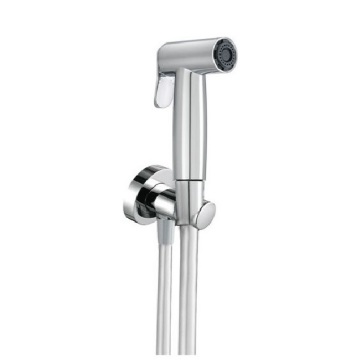


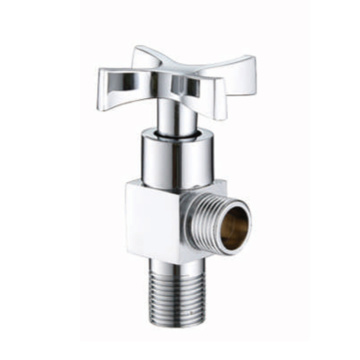
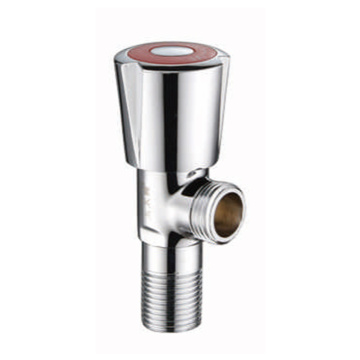
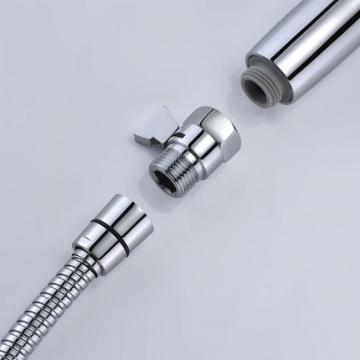
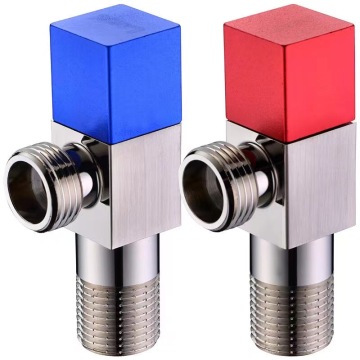

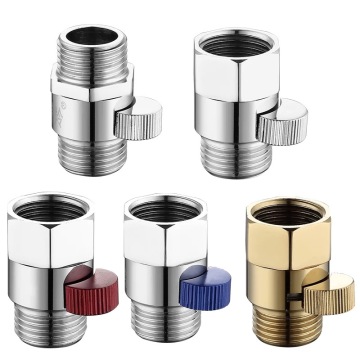
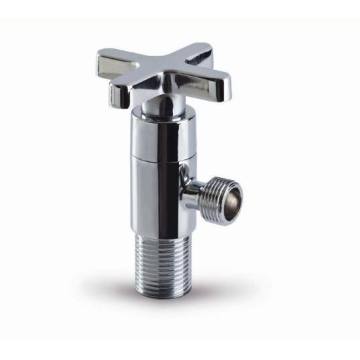

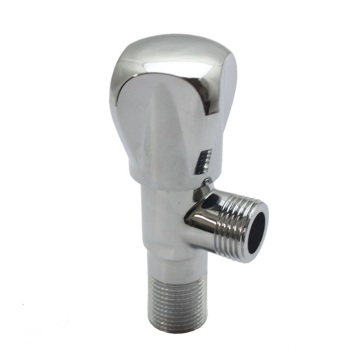
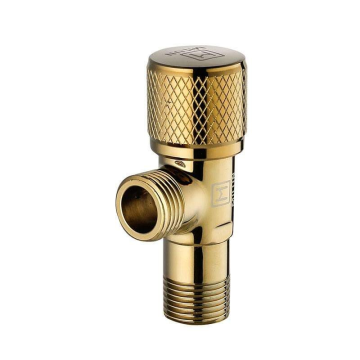
A ball valve is a type of quarter-turn shut-off valve that uses a hollow, pivoting ball to control the flow of liquids or gases. It is one of the most reliable and widely used components in modern plumbing and industrial systems.
The central mechanism features a perforated, spherical ball. When the handle is aligned with the pipe, the hole allows flow; when turned 90 degrees, the solid side blocks it. This simple design ensures a tight seal with minimal effort.
Ball valves are preferred for their durability and leak-proof performance. They require low torque to operate, resist corrosion better than many alternatives, and provide quick shut-off capabilities essential for safety maintenance.
At Yuyao Gaobao Sanitary Ware Factory, we prioritize material integrity and rigorous testing to ensure every component meets international standards. Our manufacturing process spans over two decades, refining quality control at every step.
We source high-grade brass and stainless steel alloys from verified suppliers. By controlling the raw material stream, we guarantee consistent density and corrosion resistance across all batches.
Using advanced CNC machines, we achieve tight tolerances on valve seats and stems. This precision reduces friction, extends service life, and prevents leaks under high pressure.
Every unit undergoes strict validation, including salt spray tests for corrosion, pressure tests for leakage, and lifetime cycle testing to simulate years of use in weeks.
Selecting the correct ball valve requires matching technical specifications to your application's demands. A mismatch can lead to premature failure, leaks, or system inefficiencies.
Brass Valves: Ideal for residential water supply and general plumbing due to excellent machinability and cost-effectiveness.
Stainless Steel: Best for harsh environments, chemical processing, or high-temperature applications where corrosion resistance is critical.
Always verify the PN (Pressure Nominal) rating against your system's maximum operating pressure. Ensure the temperature range of the seals (PTFE, NBR, etc.) aligns with the fluid being transported.
Use this checklist to evaluate potential suppliers and products before placing a bulk order. This ensures you mitigate risk and secure high-quality components.
Procuring ball valves globally often presents challenges. Understanding these common pitfalls helps buyers avoid costly mistakes and supply chain disruptions.
Low-quality valves often suffer from leaking stems or seats. This is usually caused by poor machining tolerances or cheap rubber seals that degrade quickly.
Using non-dezincification resistant (DR) brass in certain water conditions leads to structural weakness and eventual breakage. Always specify DR brass.
Misunderstandings regarding thread types (BSP vs. NPT) or connection sizes can result in incompatible shipments. Clear technical drawings prevent this.
When selecting a long-term partner, look beyond price. Evaluate the supplier's manufacturing depth, R&D capability, and compliance history.
Established in 2005, this manufacturer specializes in comprehensive sanitary solutions. With a 6,000 sqm facility and advanced injection molding capabilities, they offer vertical integration that controls quality from raw material to finished product.
Look for suppliers with proven export records to Europe, Australia, and America. Certifications like CE, Watermark, and ACS are mandatory for regulated markets and indicate a robust internal quality management system.
The most common materials are brass, stainless steel, and PVC. Brass offers a balance of strength and affordability for standard plumbing. Stainless steel is superior for corrosive or high-temperature environments. PVC is ideal for lightweight, chemical-resistant applications.
Valve size is determined by the pipe diameter it connects to (e.g., 1/2", 3/4", DN20). Measure the outer diameter of the pipe or consult your system's schematic. Always allow for slight tolerance if using threaded connections.
It refers to the 90-degree rotation required to move the valve from fully open to fully closed. This makes ball valves faster to operate than gate valves, which require multiple rotations.
Yes, ball valves are excellent for gas applications due to their tight shut-off capability. However, ensure the valve is specifically rated for gas service and utilizes appropriate sealing materials compatible with natural gas or propane.

Tel: 86-574-62138888
Mobile Phone: ++86 15306690269
Address: No.6,Middle Shichang Road,Jiangnan Village,Lubu Town,Yuyao City-315400, Ningbo, Zhejiang
Website: https://www.gurberry.com
Mail: info@gurberry.com
Privacy statement: Your privacy is very important to Us. Our company promises not to disclose your personal information to any external company with out your explicit permission.
Fill in more information so that we can get in touch with you faster
Privacy statement: Your privacy is very important to Us. Our company promises not to disclose your personal information to any external company with out your explicit permission.