


Please Leave Us A Message
Privacy statement: Your privacy is very important to Us. Our company promises not to disclose your personal information to any external company with out your explicit permission.
 Mr. Bruce Chen



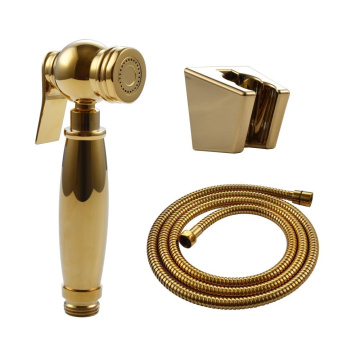
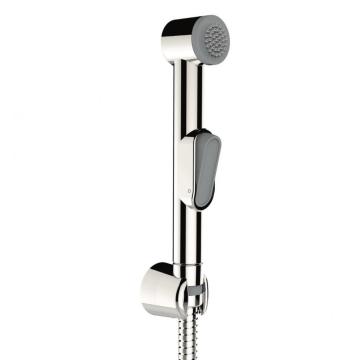


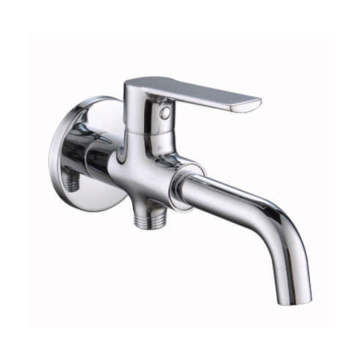
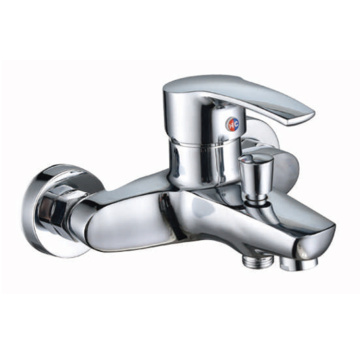


A Floating Ball Valve for water tank is an essential plumbing component designed to regulate fluid flow in storage and distribution systems. Unlike fixed-ball designs, the floating mechanism relies on water pressure to push the ball against the outlet seat, creating a reliable seal that prevents backflow and leaks.
For facility managers and procurement specialists, understanding this valve type is critical. It serves as the primary shut-off or control mechanism in applications ranging from residential water heaters to large-scale industrial storage tanks. The simplicity of its design—typically consisting of a brass or stainless steel body, a chrome-plated ball, and PTFE seats—makes it durable, cost-effective, and easy to maintain.
Whether you are sourcing parts for OEM bathroom fixtures or managing bulk supply chains for construction projects, knowing how these valves function helps you specify the right materials and pressure ratings for your specific water tank environment.
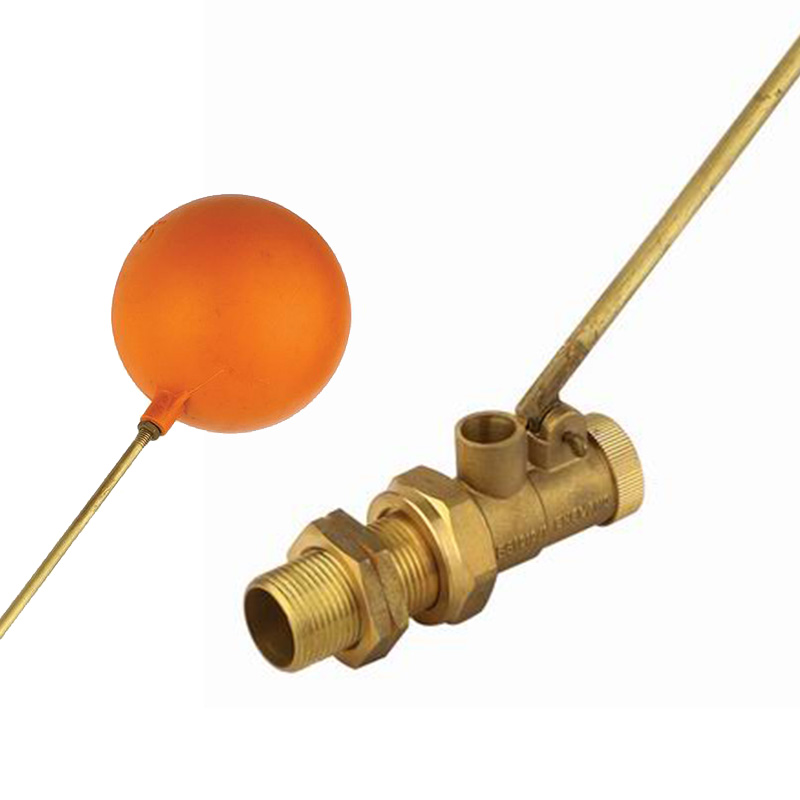
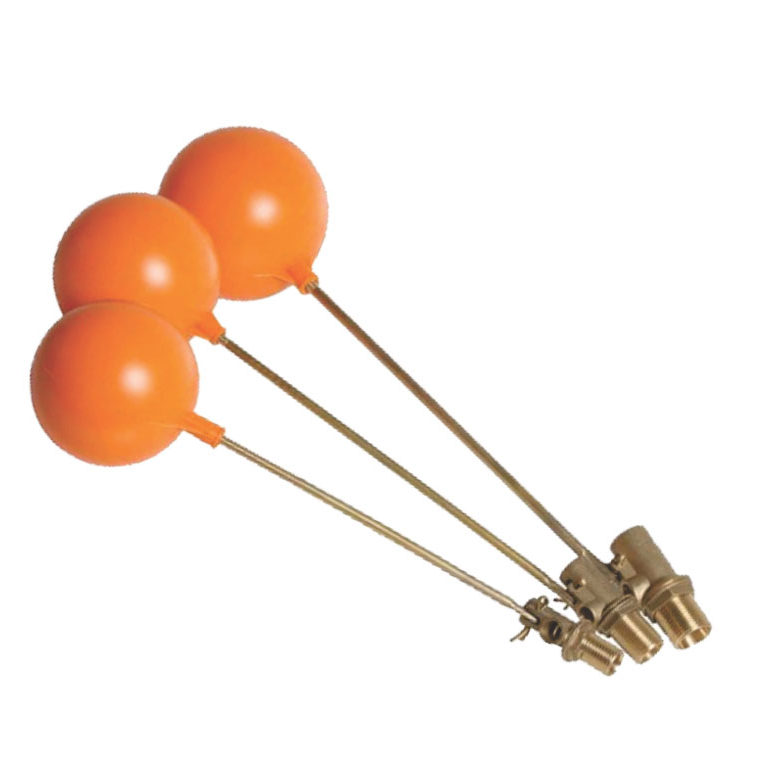
At Yuyao Gaobao Sanitary Ware Factory, we understand that the reliability of a Floating Ball Valve for water tank depends entirely on the integrity of its manufacturing process. Established in 2005, our facility spans 6,000 square meters and employs advanced machinery to ensure every unit meets rigorous international standards.
We guarantee quality from the "headstream." Our in-house material control allows us to select high-grade brass and corrosion-resistant alloys for our float valves. This direct control over raw materials reduces the risk of defects and ensures consistent performance across large orders.
Every batch undergoes comprehensive testing using advanced equipment. We utilize salt spray tests to verify corrosion resistance, pressure tests to ensure leak-proof seals, and lifetime cycle testers to validate durability. This multi-stage quality assurance process gives buyers confidence that their inventory will not result in costly returns or warranty claims.
Our products are approved by major certification bodies including CE, Watermark, and ACS. These certifications are vital for buyers operating in Europe, Australia, and other regulated markets, ensuring that our floating ball valves for water tanks comply with local safety and hygiene regulations.
Selecting the correct Floating Ball Valve for water tank application requires evaluating several technical factors. A mismatch in specifications can lead to system failure, leaks, or reduced lifespan. Use this guide to align your procurement needs with the right valve specifications.
Ensure the valve thread matches your tank's inlet/outlet. Common sizes include 1/2", 3/4", and 1". Standard BSP or NPT threads must be verified to prevent installation delays and leakage issues.
Water tanks vary in hydraulic pressure. Select a valve rated for your system's maximum working pressure. Over-specifying adds cost, while under-specifying risks burst failures.
For standard potable water, brass with chrome plating is ideal. For corrosive environments or chemical tanks, consider stainless steel or specialized polymers to extend service life.
Verify if your target market requires specific approvals like Watermark (Australia), ACS (France), or CE (Europe). Our factory provides full documentation for all certified product lines.
Before finalizing a purchase order for Floating Ball Valves for water tanks, use this checklist to mitigate risk and ensure alignment with your project requirements. This structured approach helps procurement teams avoid common pitfalls related to quality and logistics.
Procuring Floating Ball Valves for water tank systems often involves navigating specific challenges. By anticipating these issues, buyers can streamline their sourcing process and avoid costly disruptions.
One of the most frequent issues is leakage around the valve seat. This is often caused by improper installation torque or damaged PTFE seals during shipping. To prevent this, ensure your technical team follows manufacturer torque guidelines and inspects incoming stock for seal integrity before installation.
Standard brass valves may degrade faster in coastal or highly humid areas due to dezincification. Buyers in these regions should specify valves with enhanced corrosion-resistant coatings or opt for higher-grade bronze alloys to extend the service life of the floating ball valve.
International projects often mix metric and imperial standards. Using a BSP valve on an NPT fitting without an adapter can lead to cross-threading and leaks. Always double-check thread specifications against your tank's existing infrastructure before placing bulk orders.
If the valve bore size is too small for the tank's volume, it can restrict flow, causing slow filling times. Ensure the valve's Cv coefficient matches the required flow rate for your specific tank capacity to maintain operational efficiency.
The versatility of the Floating Ball Valve for water tank makes it a staple across multiple industries. Understanding these applications helps buyers identify the specific performance requirements for their sector.
Used in home water heaters, cisterns, and main supply lines. Reliability and aesthetic finish (chrome plating) are key priorities for end-users.
Heating and cooling systems rely on these valves to regulate water flow in chillers and boilers. Durability under thermal cycling is essential.
Large-scale tanks in manufacturing plants use heavy-duty float valves for level control. Corrosion resistance and high-pressure tolerance are critical here.
Water storage tanks on farms require robust valves that can handle varying water qualities. Simple maintenance and long service life are valued.
Saltwater environments demand superior corrosion resistance. Specialized alloys and coatings are used to protect the floating ball mechanism.
Standby valves in fire suppression systems must operate flawlessly after long periods of inactivity. High-quality seals prevent seizing.
As a leading manufacturer in Yuyao City, Zhejiang Province, we offer more than just products. We provide a complete supply chain solution for Floating Ball Valves for water tank applications. Our integrated approach—from material sourcing to final testing—ensures that your procurement needs are met with precision and reliability.
With 6,000 square meters of production space and over 50 employees, we control every step of the process. Our advanced injection molding and knitted hose machines allow us to produce complete, high-quality assemblies in-house, reducing lead times and costs.
Since 2005, we have supplied top-tier sanitation materials to Europe, the Middle East, Asia, Australia, and America. Our experience means we understand diverse market requirements and can tailor our products to meet specific regional standards.
Our dedicated design team introduces 10 exclusive new items every year. When you partner with us, you gain access to continuous innovation, keeping your product lineup fresh and competitive in the market.
We don't just build valves; we test them. From salt spray to lifetime cycle testing, our advanced equipment ensures that every floating ball valve for water tank meets the highest expectations for performance and durability.
Here are answers to common questions buyers ask when sourcing Floating Ball Valves for water tank systems. These insights help clarify technical specifications and procurement processes.
A floating ball valve relies on water pressure to push the ball against the seat for sealing, making it suitable for lower pressures and smaller diameters. A trunnion ball valve has a mechanically anchored ball, suitable for high-pressure, large-diameter applications. For most standard water tank uses, the floating design offers the best balance of cost and performance.
Yes. We support OEM services, including custom logo engraving, packaging design, and even material specification adjustments. Our design team works closely with buyers to ensure the final product aligns with their brand identity and market requirements.
Our products are certified by CE, Watermark, and ACS, among others. These certifications ensure compliance with international safety and quality standards, facilitating smoother customs clearance and market entry in regulated regions.
Lead times depend on order volume and customization requirements. However, our established production capacity and efficient workflow allow us to maintain competitive delivery schedules. Contact our sales team for a precise timeline based on your specific order details.

Tel: 86-574-62138888
Mobile Phone: ++86 15306690269
Address: No.6,Middle Shichang Road,Jiangnan Village,Lubu Town,Yuyao City-315400, Ningbo, Zhejiang
Website: https://www.gurberry.com
Mail: info@gurberry.com
Privacy statement: Your privacy is very important to Us. Our company promises not to disclose your personal information to any external company with out your explicit permission.
Fill in more information so that we can get in touch with you faster
Privacy statement: Your privacy is very important to Us. Our company promises not to disclose your personal information to any external company with out your explicit permission.